
Recently, author DW Gibson stopped by OHMA to discuss his book, The Edge Becomes The Center: An Oral History of Gentrification in the Twenty-First Century, in which he documents the lives and stories of Brooklynites and others who have an opinion on the increased development in Brooklyn, New York. In this post, Fanny Garcia (2016) reflects on his presentation.
Read MoreTension & Strength, Politics & Art: Christopher Allen’s Story of Documentary in Southside, Williamsburg
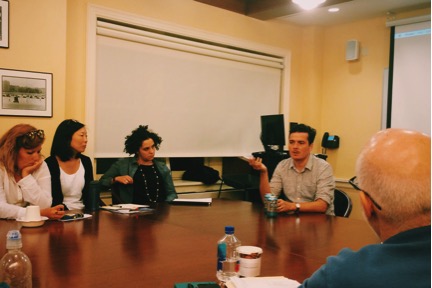
Christopher Allen speaking at the OHMA Workshop Series in September 2016. Photo credits: Emma Courtland (2016).
In this post, Heather Michael, shares insight from a presentation by Christopher Allen on the intersection between his beliefs about art and politics vis-à-vis the creation of Living Los Sures, a multifaceted, six-year documentary project about the community of Southside, Williamsburg.
Read MoreOn Citizenship, Voice, and Motherhood
In this article, Fanny Garcia (2016) reflects on her path to oral history through her family’s path to naturalization, her transformation of xenophobia through activism, and the recent Central American refugee crisis that spurred her mother to share her story.
Read MoreFrom the Outside In: How Christopher Allen Organized a Community-Based Documentary
In this post about Christopher Allen's recent lecture in our 2016-2017 Oral History Workshop Series, current OHMA student Christina Pae (2015) reflects on the importance of collaboration in oral history projects, particularly when an outsider aims to conduct a project within an insular community.
Read More2016 Recipient of the Jeffrey H. Brodsky Oral History Award: Benji de la Piedra
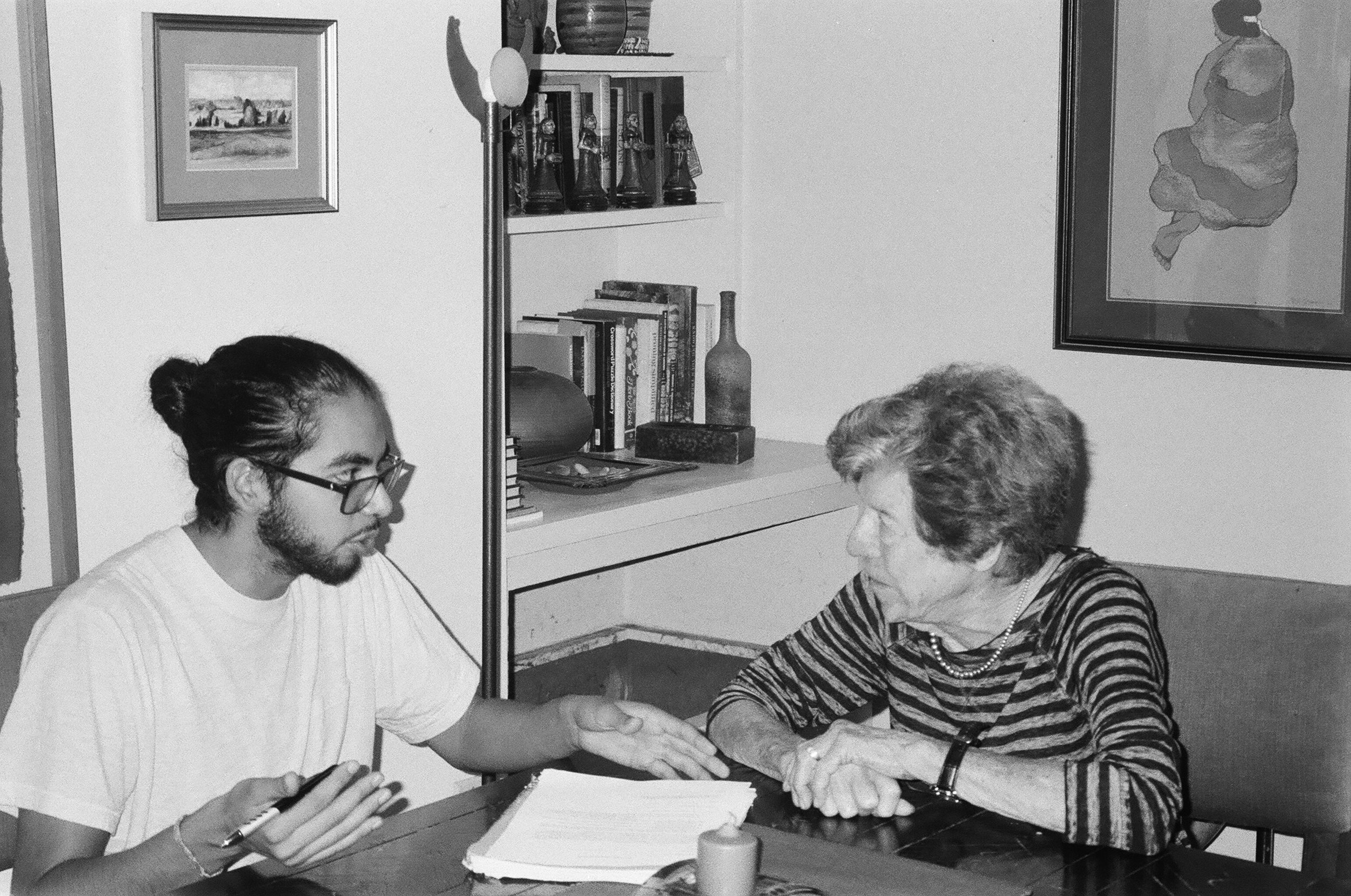
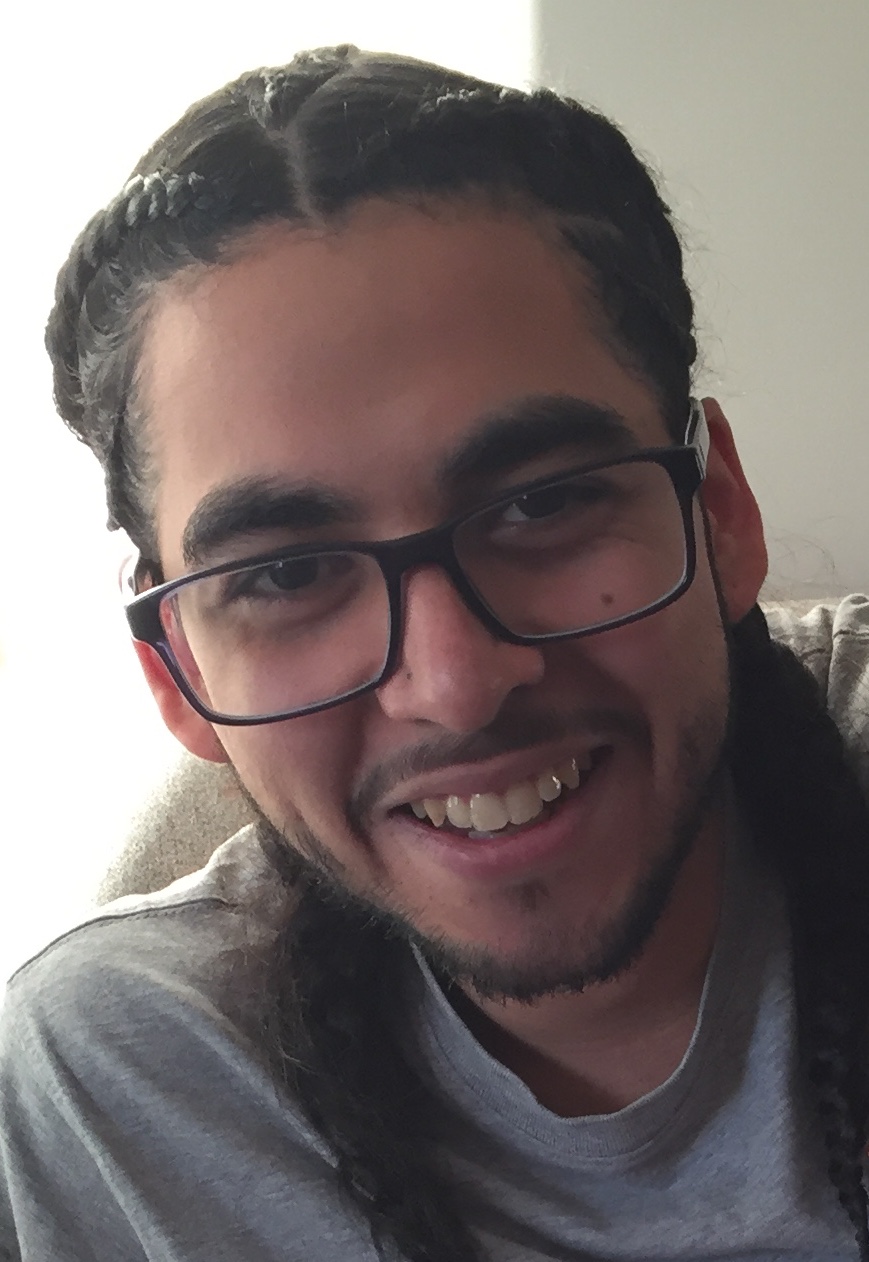

The Jeffrey H. Brodsky Oral History Award is given to one student annually whose thesis makes an important contribution to knowledge and most exemplifies the rigor, creativity, and ethical integrity we teach our students.
We are pleased to recognize Benji de la Piedra’s (2014) contributions to advancing the field of oral history and look forward to presenting the award in person at his thesis lecture next month. Please join us for the celebratory event on Tuesday, October 18 at 6:30 p.m. in 509 Knox Hall, co-sponsored by Columbia's Center for American Studies and Alliance for Historical Dialogue and Accountability, where Benji is a fellow this fall.
Read MoreSeeking Collaboration & Building Community: An Origin of the Columbia Oral History Alumni Association
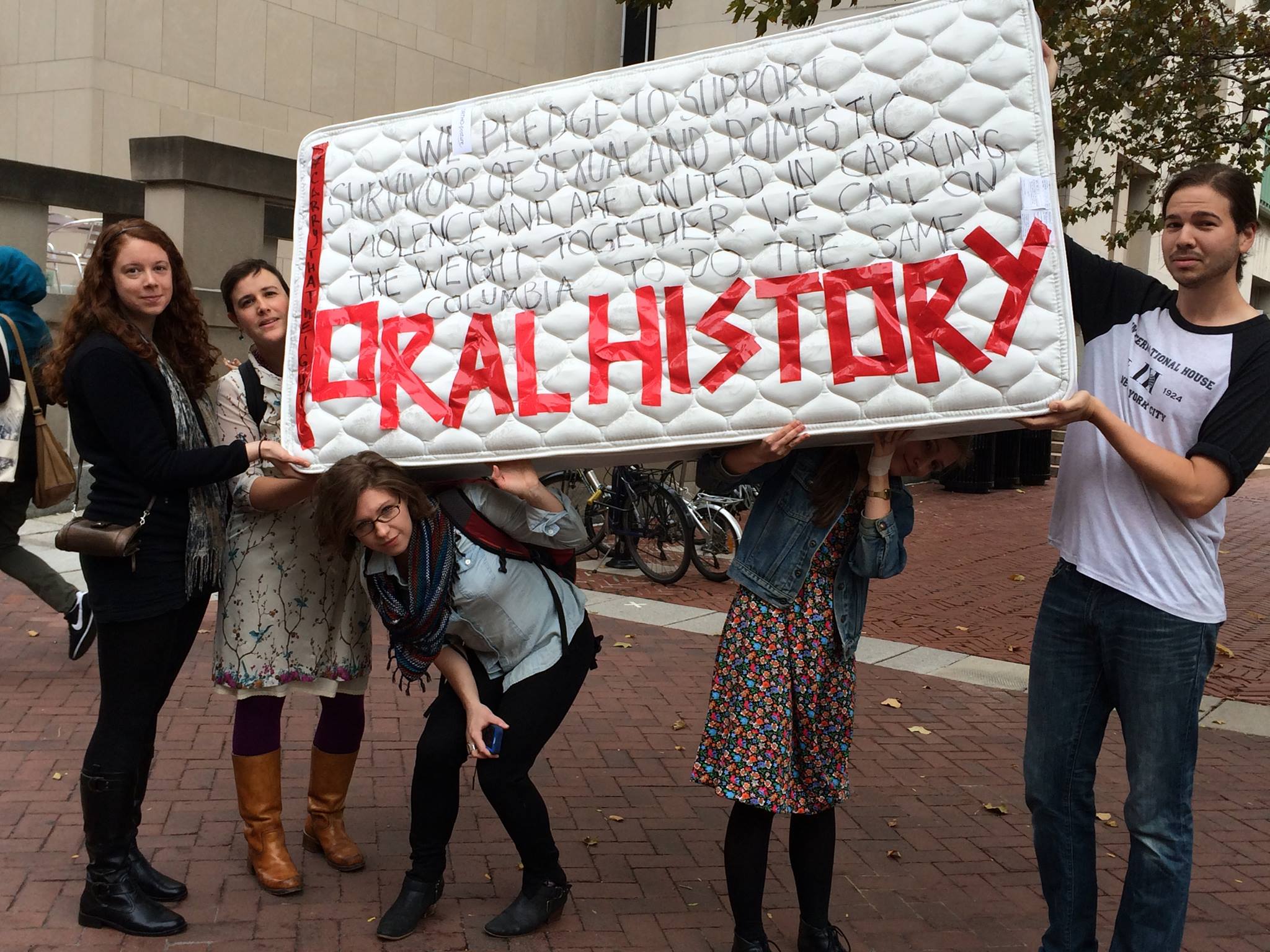
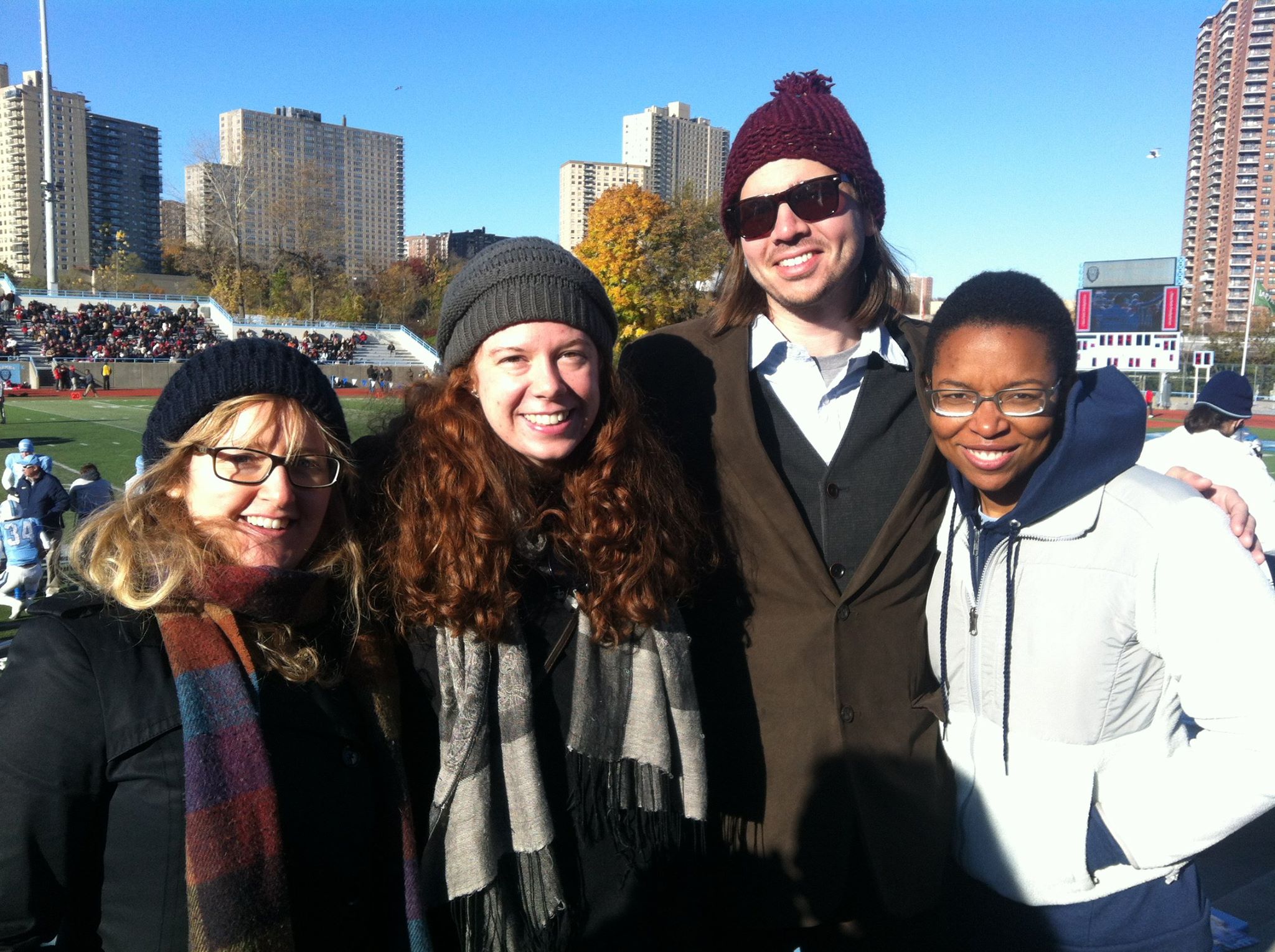
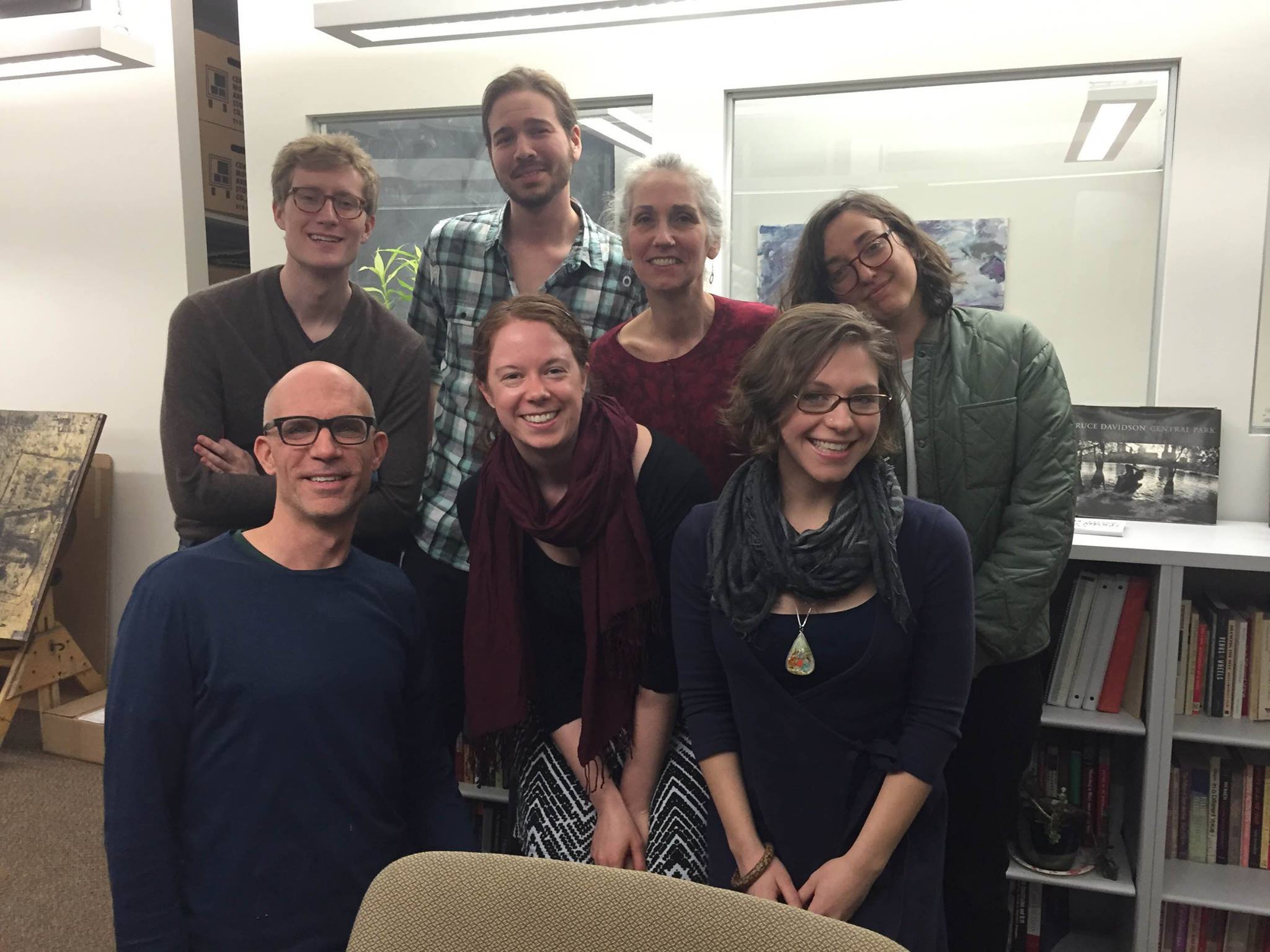
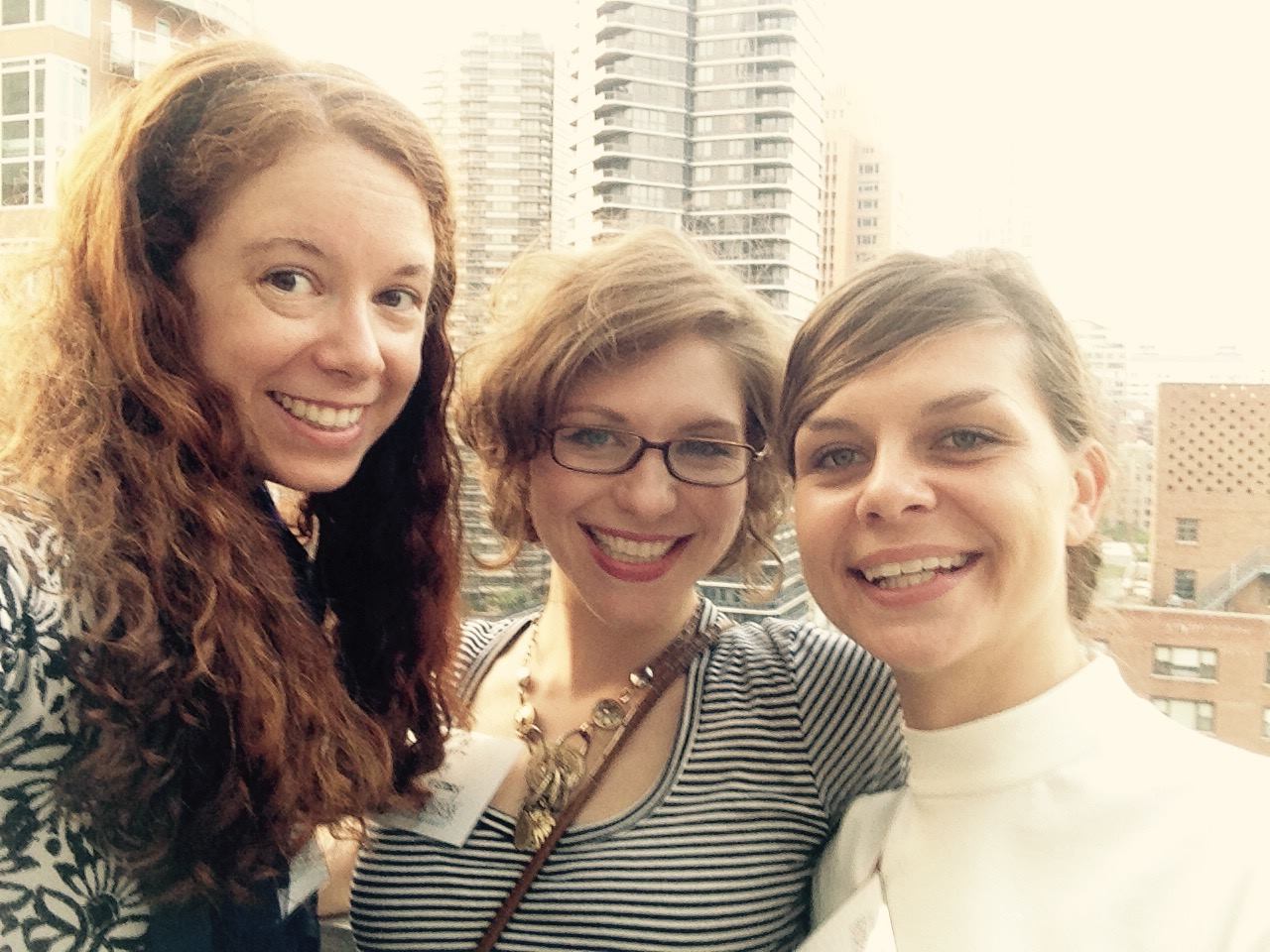
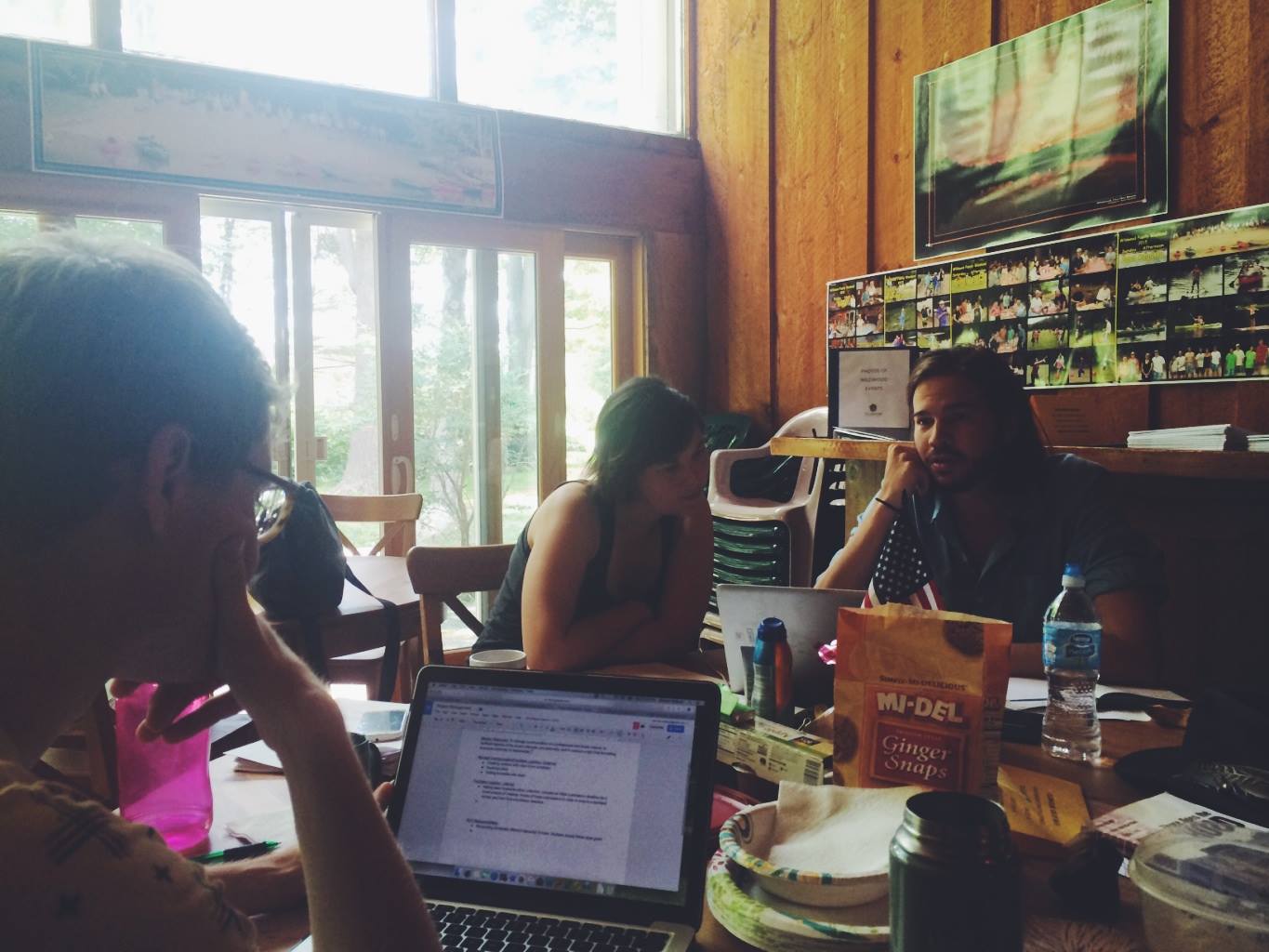
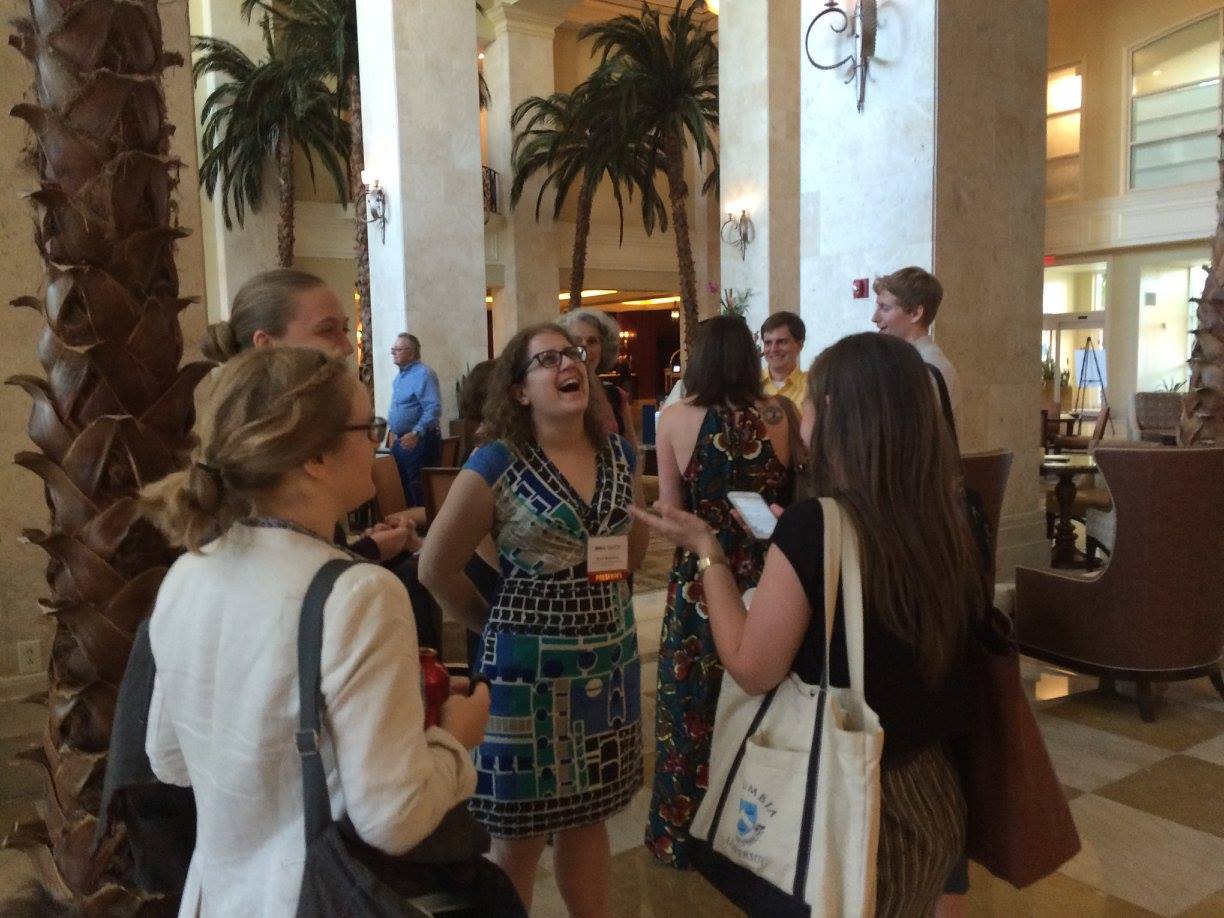
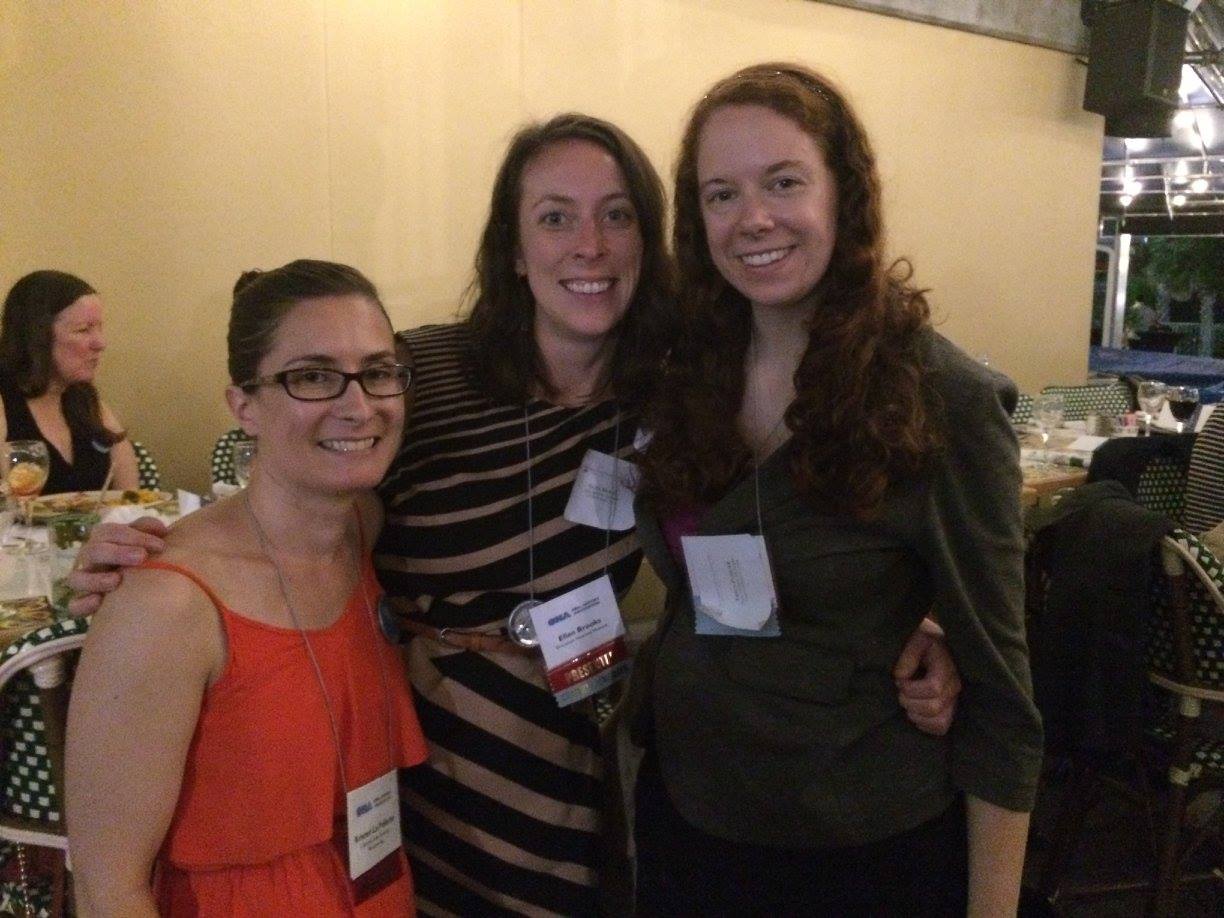
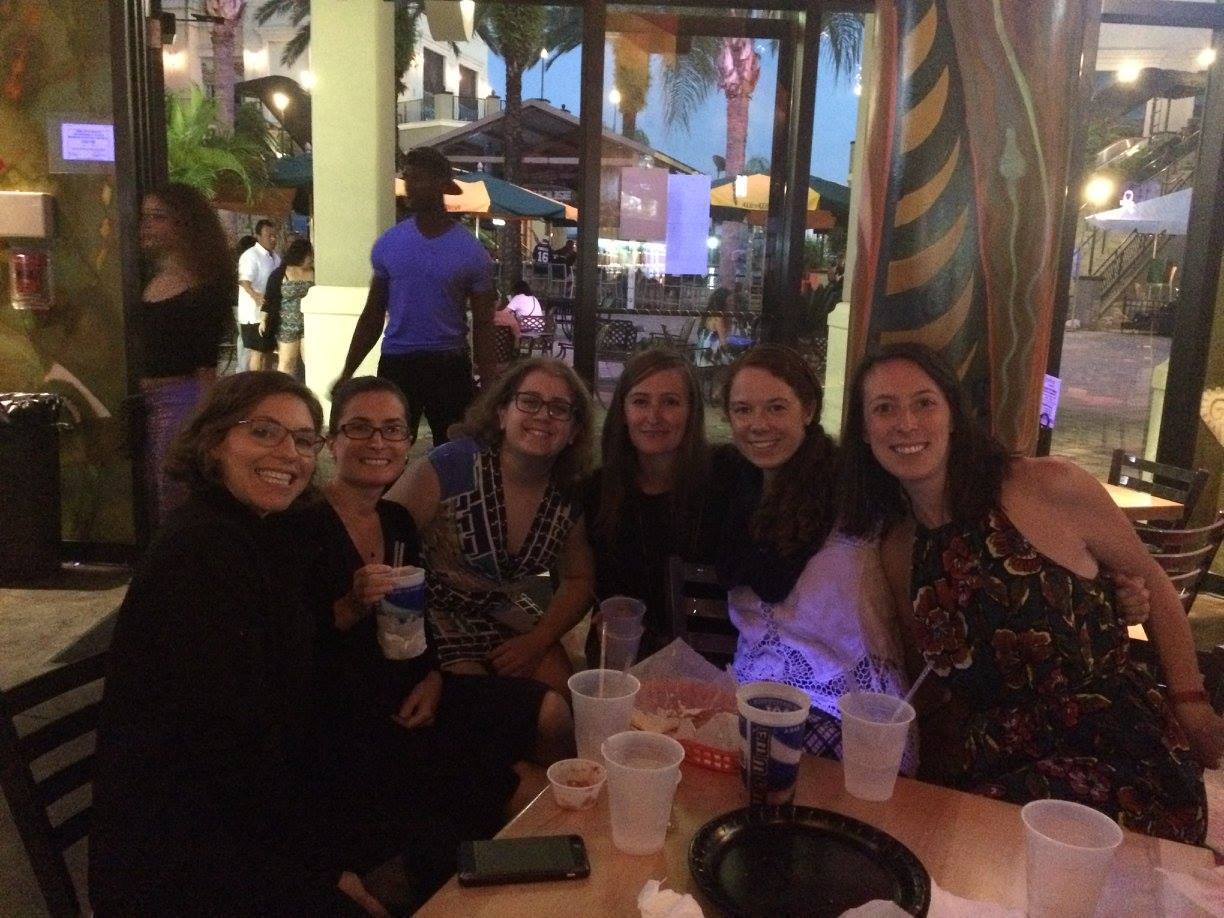
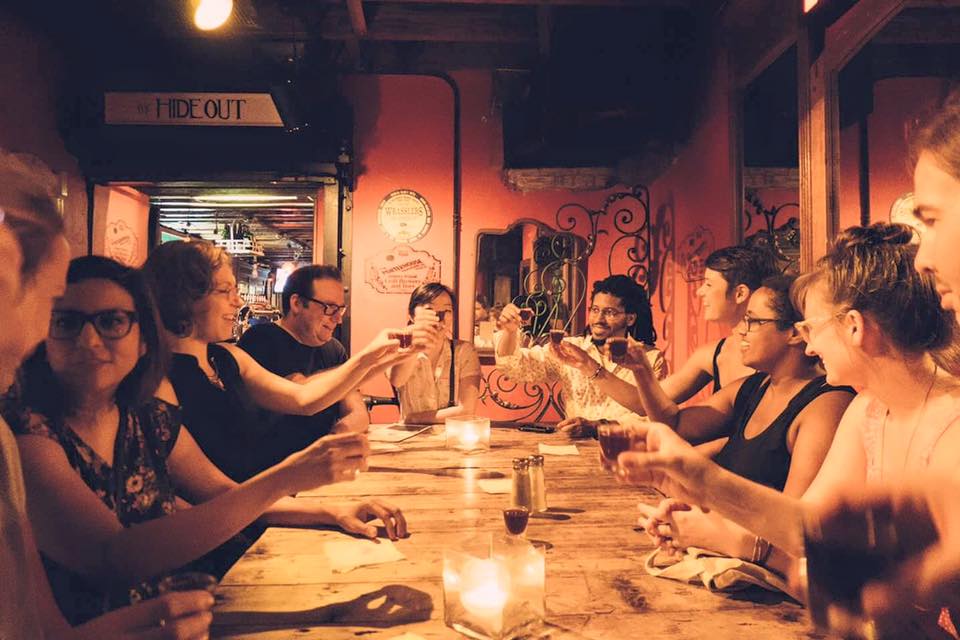
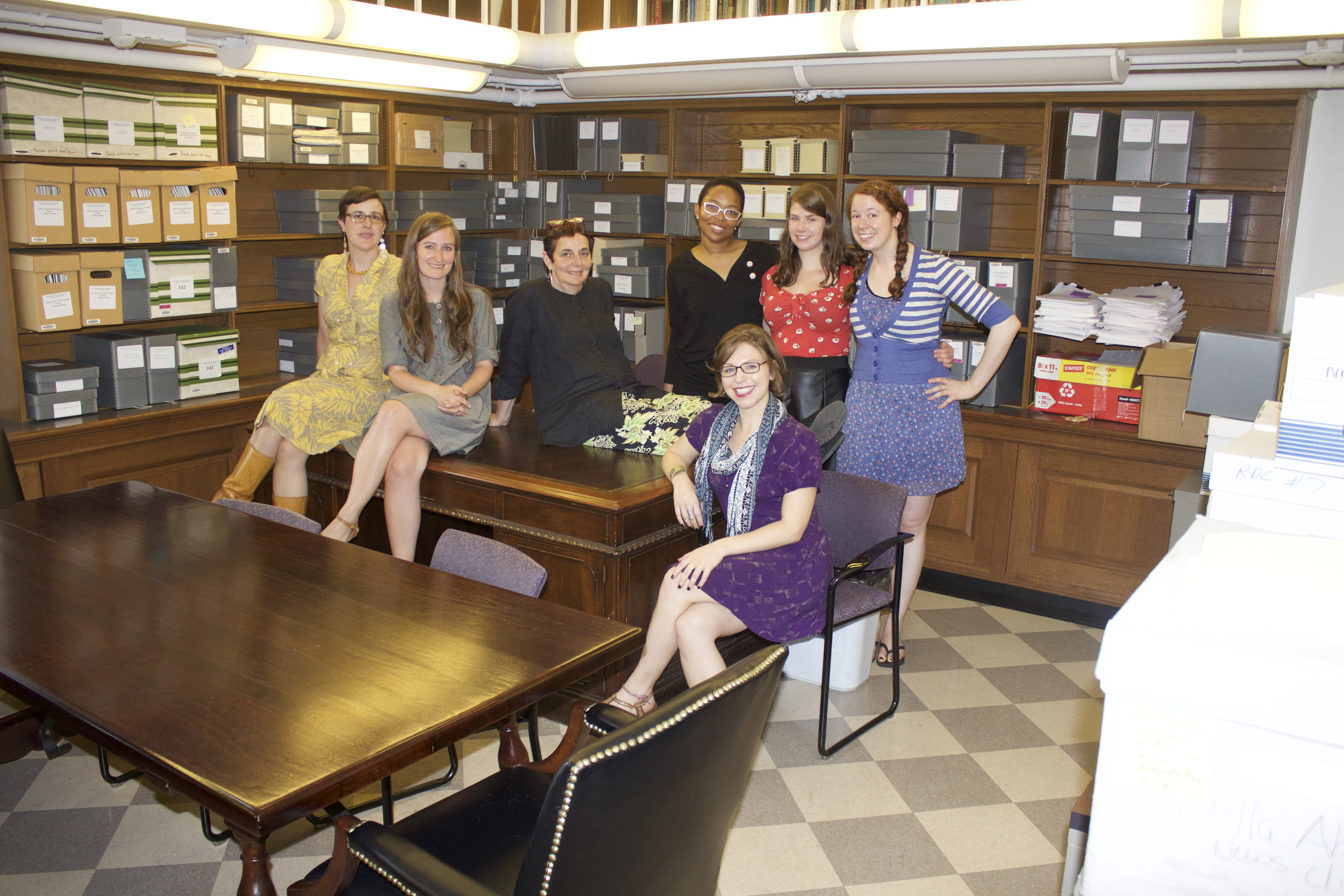
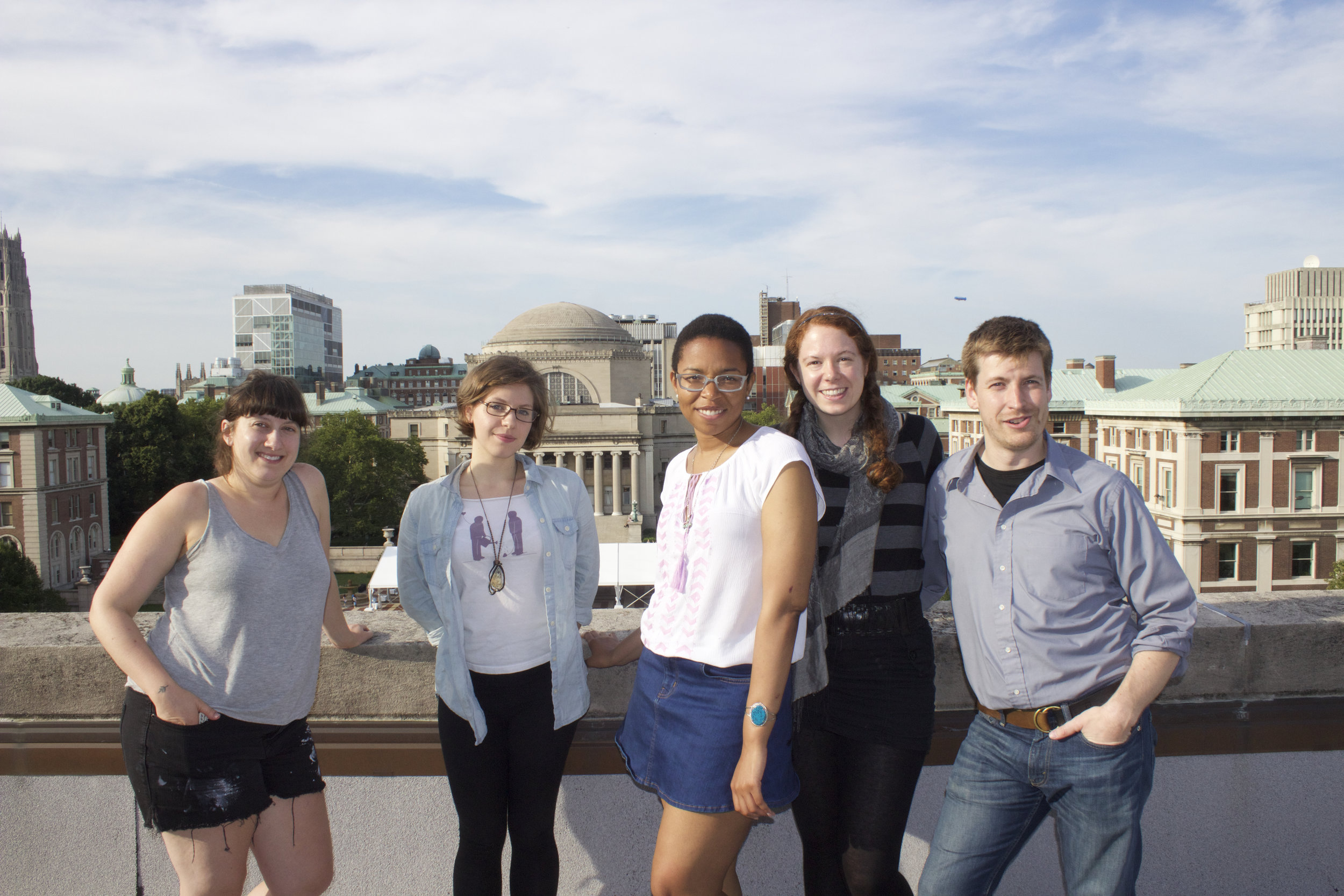
Two years after the formation of the Columbia Oral History Alumni Association (COHAA) Founding President and OHMA Project Coordinator Erica Fugger (2012) reminiscences on the group's origin story—spanning Columbia Center for Oral History Research's move to INCITE to the organic spaces for inter-cohort dialogue that arose amidst our historic interview archives in Butler Library.
Erica discusses the Alumni Association's early organizing efforts, participation in campus demonstrations, and commitment to building networks of support for emerging oral historians.
Meet Our 2016-2017 Graduate Assistants!

From left to right: Dina Asfasha, Fanny Garcia, and Emma Courtland.
OHMA is excited to welcome three new graduate assistants for the 2016-2017 academic year!
Dina Asfaha joins us as Program Assistant, offering research support to faculty, helping organize our public events, and contributing to OHMA's special projects.
Fanny Garcia is our Outreach Assistant this year, expanding the scope of our public engagement, increasing the visibility of our program, and deepening our social media presence.
Emma Courtland will be our Video Production Assistant, recording our Oral History Workshop Series lectures, editing our YouTube broadcasts and podcasts, and conducting video interviews with our program affiliates.
Read MoreOral History as Poetry: Restoring a Visual Orality

Nyssa Chow (2015) is an OHMA student and Teaching Fellow in our Method, Theory, and Interpretation course this fall through Columbia’s Center for Teaching and Learning. Her work with OHMA Co-Director Mary Marshall Clark to transform oral history by teaching visual literacy recently received Columbia’s Faculty Provost Award. In this post, Nyssa reflects on ethnopoetric transcription through Della Pollock and Hudson Vaughan’s talk in our Oral History Workshop Series this spring and discusses her experiences in visually expressing her narrators’ orality in print.
Read More'Life Begins at Thirty': Writings of a Chinese International Student in OHMA

Haitao Fan is a member of our 2011 cohort. Her recently published book, Life Begins at Thirty (China Machine Press, 2016), profiles her time studying in OHMA and became an instant bestseller in Mainland China. In this post, Haitao reflects on her writing process and commitment to building the oral history movement in China.
Read MoreAnnouncing OHMA's 2016-2017 Workshop Series

Oral History and the City, Fall 2016: What can oral histories tell us about life at the scale of the city? About how people make their homes in neighborhoods, or think of themselves as urban citizens? How can the practice of oral history be used as an intervention in urban life? Taking New York City as a lab, this series will explore oral history in and of the city.
Oral History and the Social Sciences, Spring 2017: Oral history is a practice with deep roots in the archive and in the discipline of history, where oral history is a unique and valuable genre of primary source. But what happens when we treat oral histories as data for sociological, anthropological or geographic research? Or use the tools of the social sciences to study oral history as a social practice? Is it possible, or desirable, to generalize from the particular and complex narratives of the oral history interview? In this series we will explore the tensions and possibilities at the interdisciplinary seams of oral history and the social sciences.
Read More
Amplify: The New Oral History Podcast Network

In this post, OHMA alum Kate Brenner (2014) writes about her desire to make oral history projects more accessible to a public audience. The popularity of podcasts means the field is ripe for oral history, but breaking into the world of radio is difficult for people unfamiliar with it. As a result, Kate decided to start Amplify: The Oral History Podcast Network.
Read MoreOHMA Seeks Student Fieldwork and Internship Partners
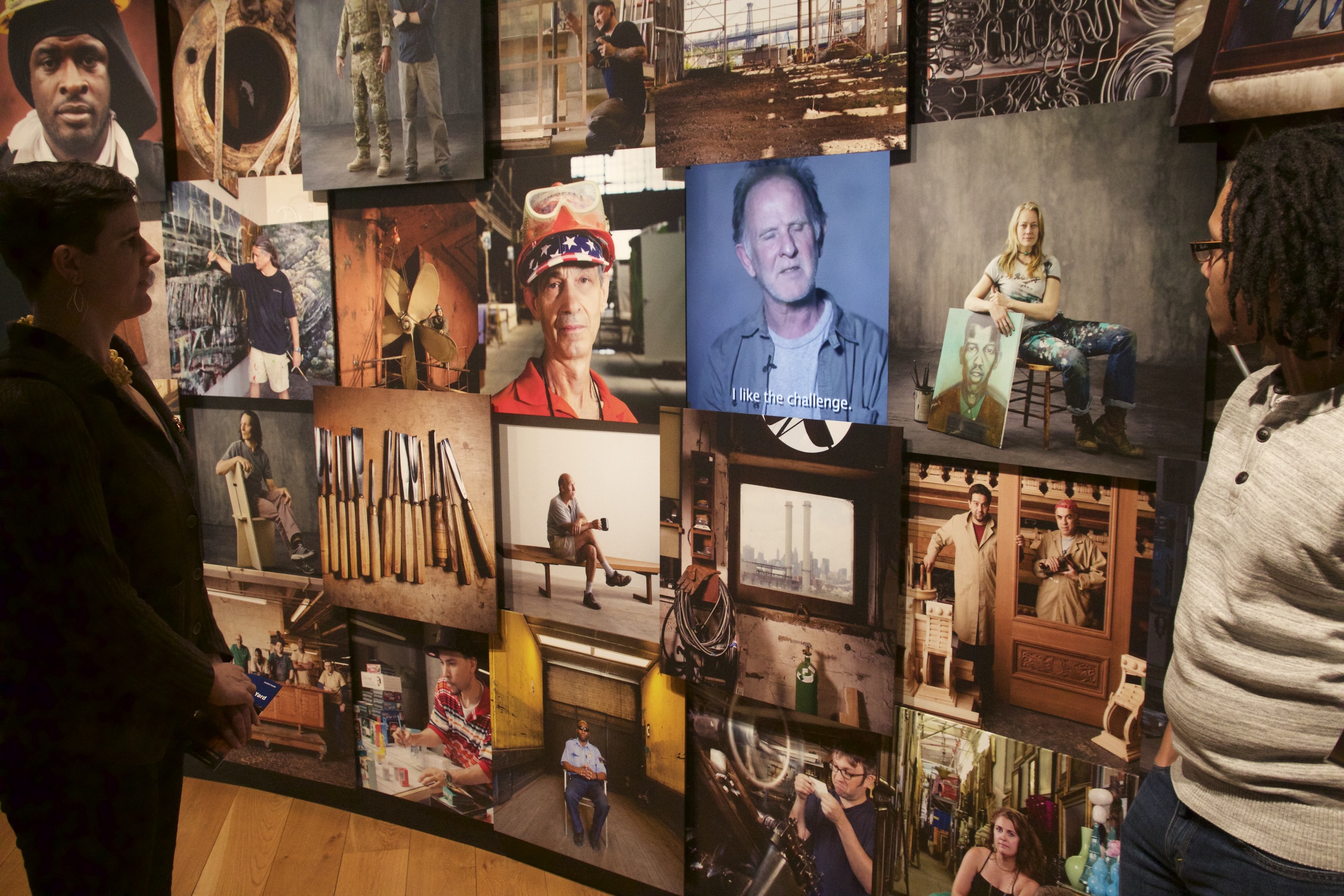
We are excited to announce that there continue to be multiple opportunities to work with Columbia's Oral History MA program students this year! First, we are seeking organizations or projects with which students can partner to conduct three interviews as part of their fall fieldwork course.
Second, OHMA students are able to undertake internships for credit.
Read MoreFear from the Field: An Interviewer's Experiences in Contemporary America

Nyssa Chow is a current OHMA student. In this post, she responds to Paul Ortiz's recent talk on "Oral History in the Age of Black Lives Matter" by offering reflections on her personal experiences and fears amidst the current landscape of American culture and politics.
Read MoreAnnouncement of 2016 OHMA Alumni Conference Travel Award Recipient
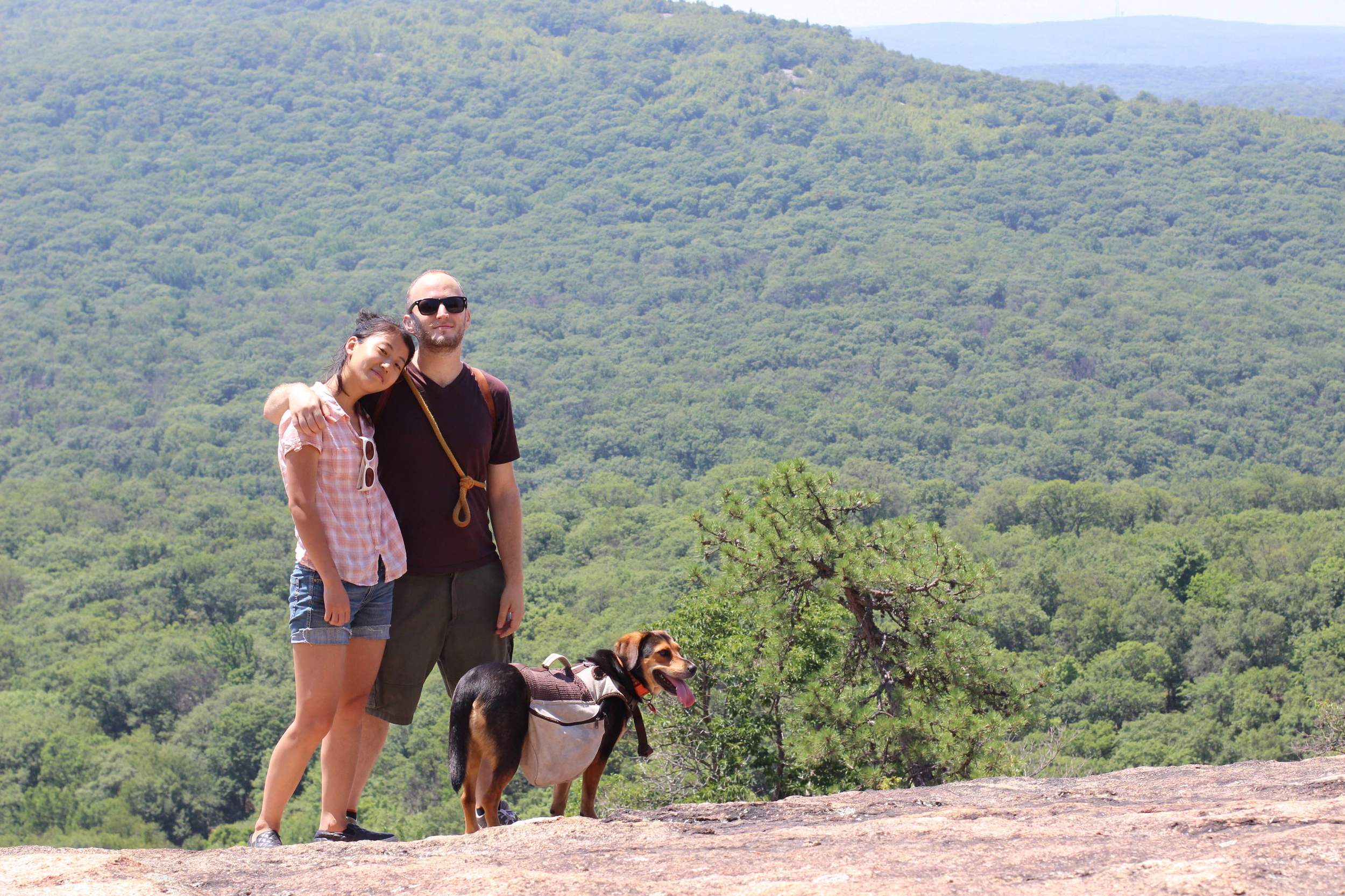
Congratulations to Cindy Choung (2009), the first recipient of our annual OHMA Alumni Conference Travel Award! Cindy will be chairing a roundtable at the 2016 Oral History Association Annual Meeting in Long Beach, California, titled: “Storytelling the Environment: Environmental Activism, Science, and Storytelling within an Intersectional Framework.”
Read MoreTo Revise is to Create: Reflections on Editing and Translation for OHMA and Voice of Witness
In this post, current OHMA student Pablo Baeza reflects on his internship with Voice of Witness, publishers of a human rights-focused oral history book series. Pablo discusses the ethics of editing interviews for publication and offers a comparison to the experience of compiling his thesis website, Neuva York es la Frontera.
Read MoreThe Big Idea: A Phenomenological Encounter in the World of Social Justice
Geraldo Scala is a current OHMA student. In this post, he links phenomenology and social justice through Wesley Hogan and Charlie Cobb's presentation, Who Gets to Tell the Story?: A Fresh Approach to Collaborating with Activists to Create Archives.
Read MoreThe Problem with U.S. History Textbooks
Fatemeh Adlparvar is a current student in Columbia's Narrative Medicine program. In this post, she discusses oral history's ability to question "textbook history."
Read MoreFernanda Espinosa to be a Smithsonian Fellow in Washington, DC
Fernanda is spending her Summer at the Smithsonian Institution in America’s Capitol
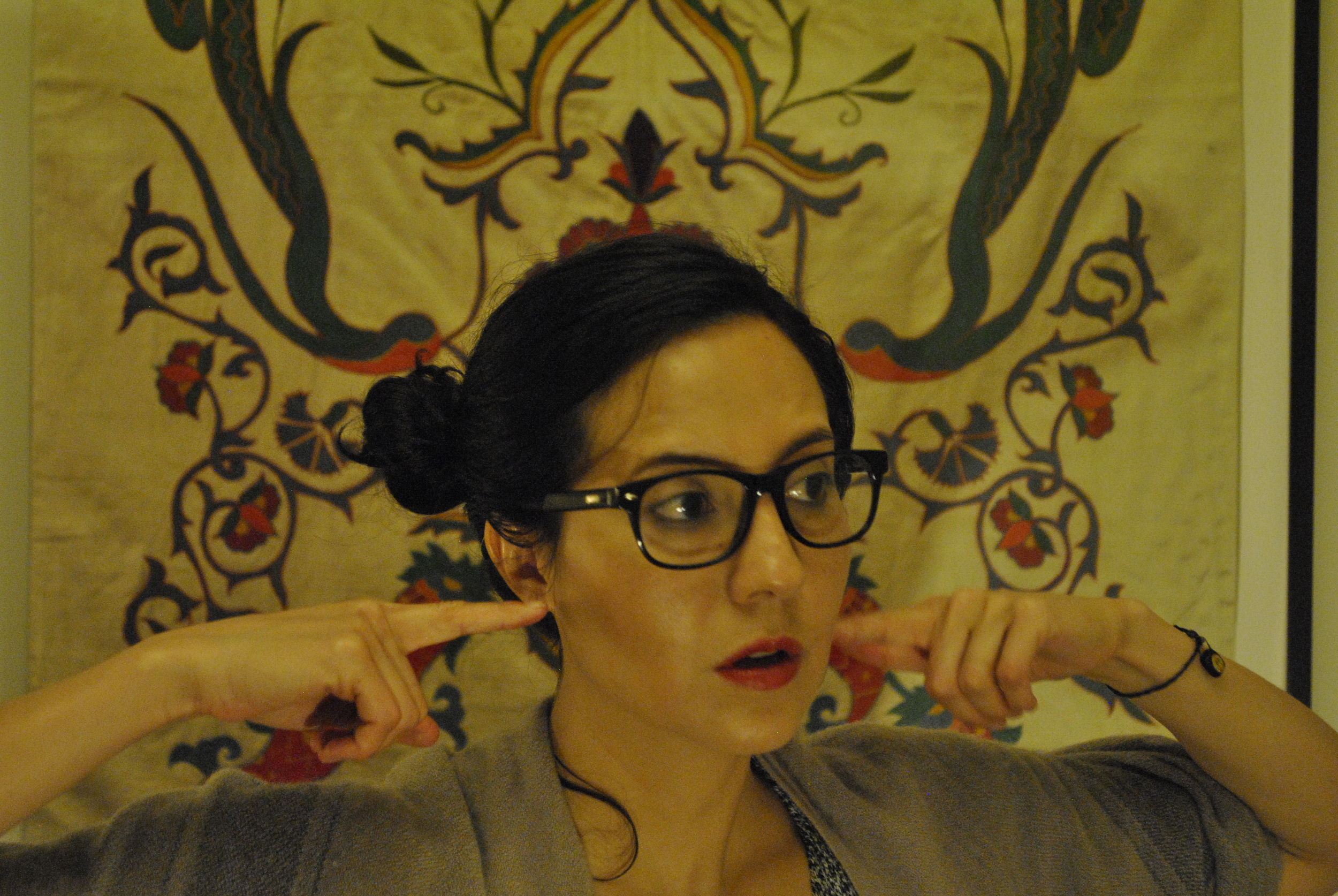
Ecuador native, New York based, Fernanda Espinosa is off to do a Fellowship at the Smithsonian Institution’s Latino Museum Studies Program (LMSP). She will be working with Ranald Woodaman, Director of Exhibits and Public Programs (and LMSP alumn) – Smithsonian Latino Center, on the Latino DC History Project: Muralism project research.
The Latino DC History Project is a multi-year initiative to document, preserve, and share the stories of Latino/as in the institutions, culture, economy and daily life of the nation's capital. Working with the Smithsonian Latino Center (SLC) Exhibitions and Public Program Director, Fernanda will explore the feasibility of a long-term muralism project in DC as a component of the Latino DC History Project.
Fernanda Espinosa is an Andean immigrant based in Brooklyn, New York. She is a cultural organizer, language justice advocate, and oral history artist. She is currently a Master of Arts candidate at Columbia University’s Oral History Program and holds a BA in Anthropology as well as in Latin American Literature.
Fernanda is a steward and co-founder of the People’s Climate Arts group, a diverse network of artists and cultural organizers that uses art and culture to help support, mobilize and amplify social movements, while simultaneously creating space for local, long-term projects. The group was a recipient of the 2015 Rauschenberg Foundation Artists as Activists fund. She also co-founded and is a project coordinator of Cooperativa Cultural 19 de enero (CC 1/19), an art and oral history collective working with interviews, murals, and other visual and audio tools. CC 1/19 received The Laundromat Project’s 2015 Create Change commission award.
As part of her thesis at Columbia Oral History MA, Fernanda is working on Hogar de la Distancia (Home of Distance), a sound and visual art project documenting stories of immigrants from Ecuador, one of the largest migrant populations in New York metropolitan area. The interviews and participatory efforts serve as points of departure that inspire audio-visual portraits put together in conjunction with the CC 1/19 collective. In addition to documenting the voices, the project seeks to make visible, honor and recognize the memory and experience of people who migrate and must navigate complex relationships with their loved ones and their homeland from a distance.
With the Smithsonian Latino Museum Studies Program Fernanda hopes to expand her experience in intentional cultural work and continue to create bridges between institutions and Latinx communities by making visible their histories in the United States. She is also excited to learn more about these communities in Washington through her practicum in muralism research.
The Smithsonian Institution is the world’s largest museum and research complex, with 19 museums and galleries and the National Zoological Park. On July 1, 1836, Congress accepted the legacy bequeathed to the nation by James Smithson and pledged the faith of the United States to the charitable trust. The total number of objects, works of art and specimens at the Smithsonian is estimated at nearly 138 million, including more than 127 million specimens and artifacts at the National Museum of Natural History.
If you would like more information about this Smithsonian Internships, Fellowships, and Research Associates, please contact the Office of Fellowships and Internships at 202-633-7070 or check out their website smithsonianofi.com
Activism 101: Schooled for change
Edward "Bud" Kliment is a current OHMA student. In this post, his examines the relationship between academic institutions and oral history.
Read MoreIntergenerationality & the SNCC Legacy Project: Activist Collaboration across Generations
Meghan Valdes is a current OHMA student. In this post, she writes on intergenerationality in the SNCC Legacy Project.
Read More