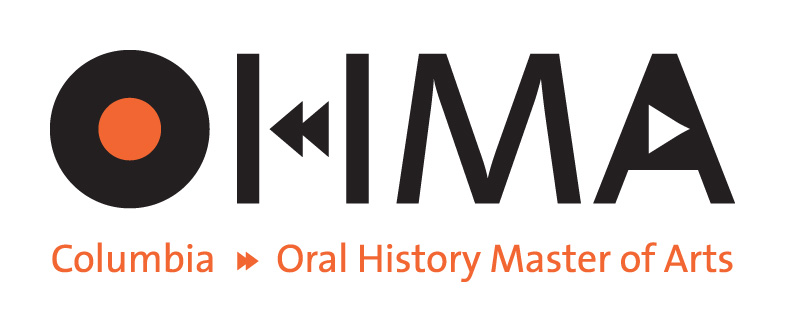
Sophia Blake is a writer, actor, and musician based in New York City. She is originally from Salem, MA and spent four years in Illinois earning her BA in Theatre and History from Northwestern University, before moving to New York to pursue theatre and music. Her thesis work at OHMA centered on the day jobs of artists in New York and the lives that they are able to build around them. Storytelling is at the root of all that she does and she is passionate about finding new ways to understand and communicate facets of the human experience.
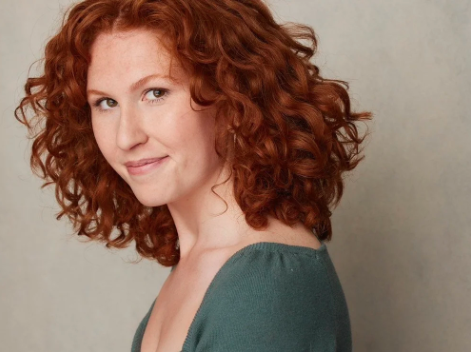
Feyiṣayo Aluko (2024)
Feyisayo is a writer, oral historian, and multidisciplinary artist from Nigeria who believes deeply in the power of stories to change the world. She is the co-founder of Kokonut Head Media, a literary organization committed to publishing and amplifying African narratives.
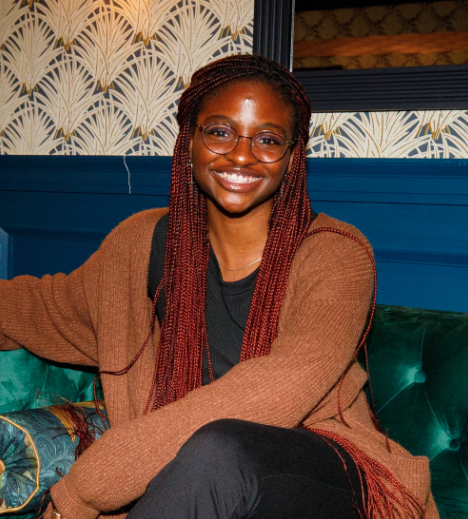
Ekta Shaikh (2024)
Ekta Shaikh is a Pakistani oral historian and interdisciplinary researcher working across feminist anthropology, gender studies, and public/digital humanities. Her work explores how women navigate space, memory, and everyday violence across Karachi and New York, with particular attention to domestic life, transit, and the infrastructures that shape intimacy and belonging. She experiments with form—oral history as sound, installation, and interactive archive—building participatory projects that invite publics into practices of listening, address, and care. Going forward, she will continue developing collaborative oral history work with women across both cities, expanding her multimodal methods and public-facing research practice.
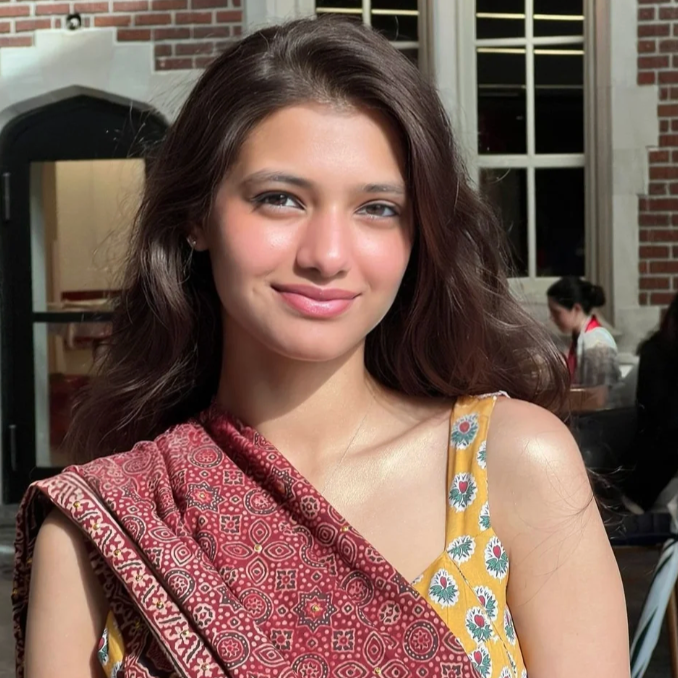
Avantika Seth (2024)
Avantika Seth is an oral historian, filmmaker, and educator working across film, archives, and storytelling to explore memory, silence, and belonging. She holds an MA in Oral History from Columbia University, where her work focused on family oral history, ethics of care, and embodied listening practices. Her thesis film, Will You Remember What I Choose to Forget?, examines memory and intergenerational care through intimate oral histories created within her own family. Avantika has led and contributed to multiple oral history projects, including work on Afghan refugee resettlement in Iowa, the 1947 Partition Archive, and archival research at the Columbia Center for Oral History Research. With a background in journalism and documentary filmmaking, she brings a trauma-informed, ethically grounded approach to oral history across audio, video, and exhibition formats.
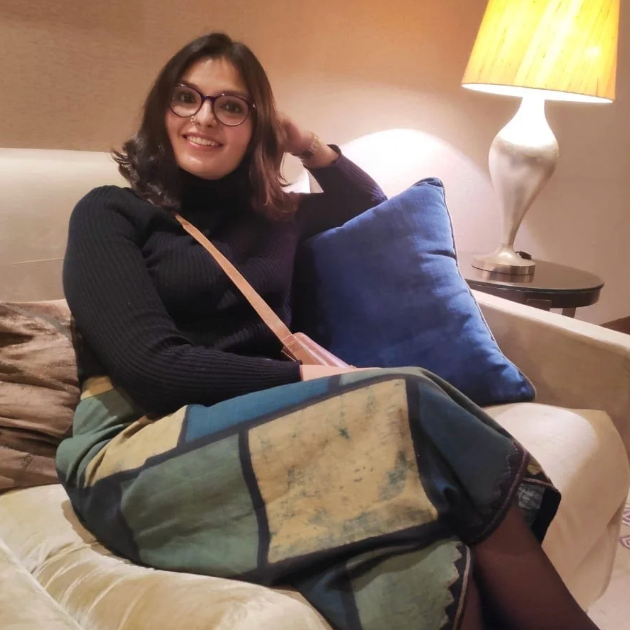
Sarah Maacha (2024)
Sarah Maacha is a multidisciplinary artist and oral historian whose work explores grief, memory, displacement, and care through a decolonial praxis. Rooted in oral history ethics, her research centers relational methods of witnessing, refusal, and embodied memory, with an emphasis on multimedia storytelling and experimental forms.
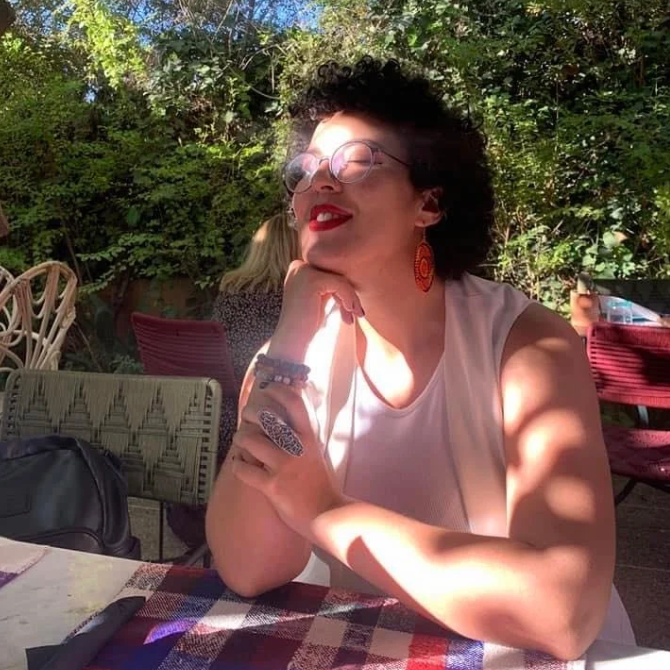
Yuri Fujita (2024)
Yuri Fujita is an oral historian and journalist. She joined Columbia University’s Oral History Master’s Program (OHMA) after thirteen years at NHK, Japan’s largest public broadcaster. As a political correspondent, she reported on major policy debates and government decision-making, including during the COVID-19 pandemic, and conducted interviews with policymakers and public officials. Working in broadcast journalism led her to reflect on how much lived experience remains outside formal documentation. She pursued oral history to expand her listening and storytelling approach.
Yuri’s thesis project at OHMA draws on oral history interviews conducted in Brighton Beach, one of the largest post-Soviet diasporic communities in the United States. She listened to individuals’ accounts of navigating uncertainty shaped by war, displacement, legal vulnerability, and political shifts. Her work focuses on close attention to language, power, and representation across cultural contexts, and by a commitment to listening practices that hold stories without forcing resolution.
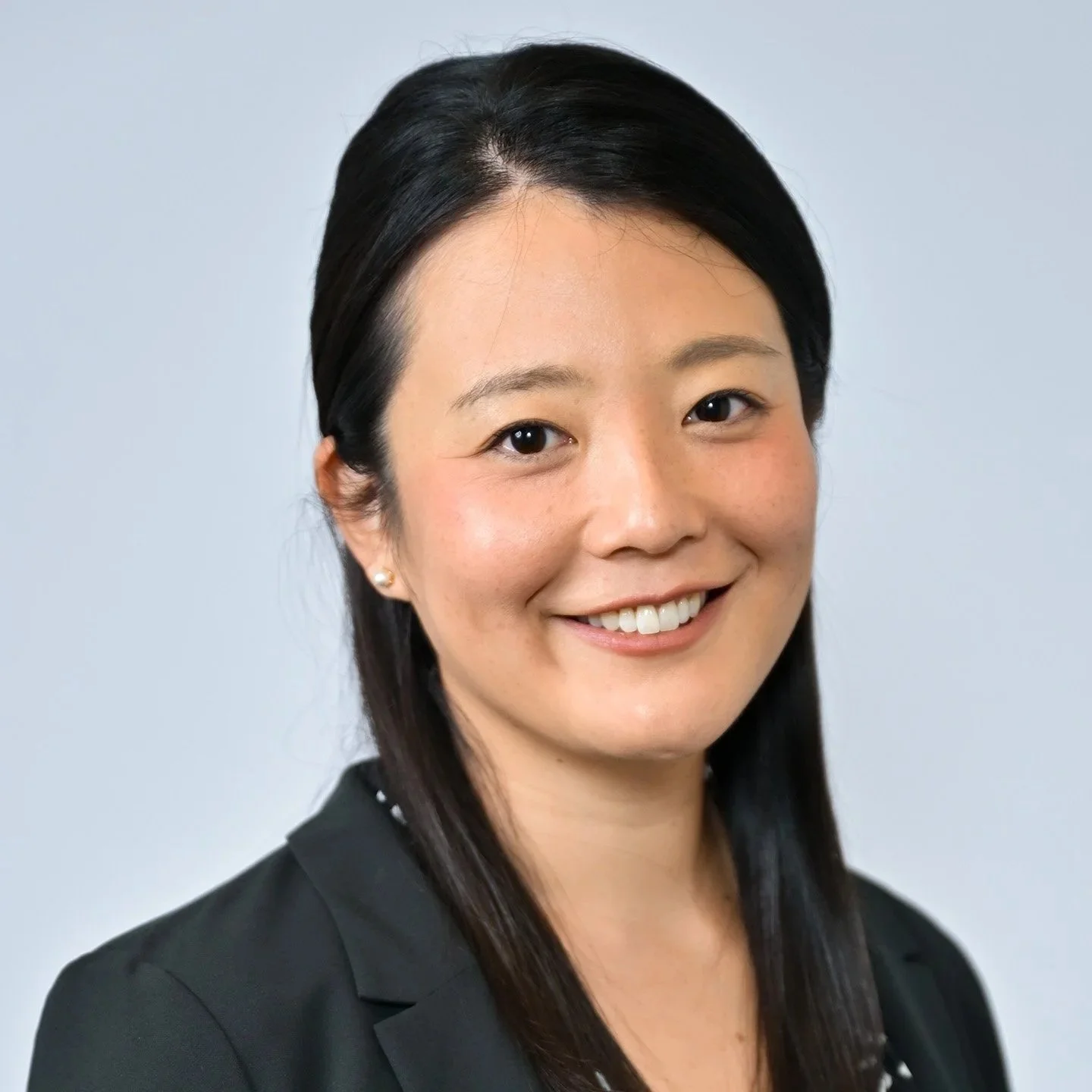
Kortney Nash (2024)
Kortney Nash (she/her) grew up in South Los Angeles and presently resides in the Jersey suburbs. Kort received her bachelors of arts from University of California, Berkeley with a major in interdisciplinary studies where she focused on child development and education policy. With her minor she pursued creative writing, and she now engages in all of these disciplines by working in children’s publishing.
When not editing books at work, Kort can be found writing. She has short stories featured in The Black Girl Survives in This One (Flatiron Books 2023), What Rides at Night (Microcosm Publishing 2025), and Afrofuturism Short Stories (Flametree
Publishing 2025). Her debut picture book, Tell Me About Juneteenth, came out in 2025.
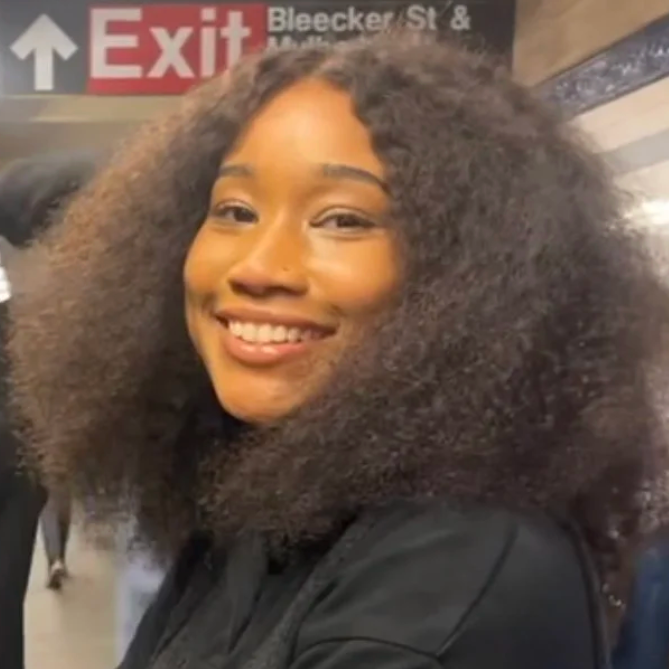
Cleo Z. Cui (2024)
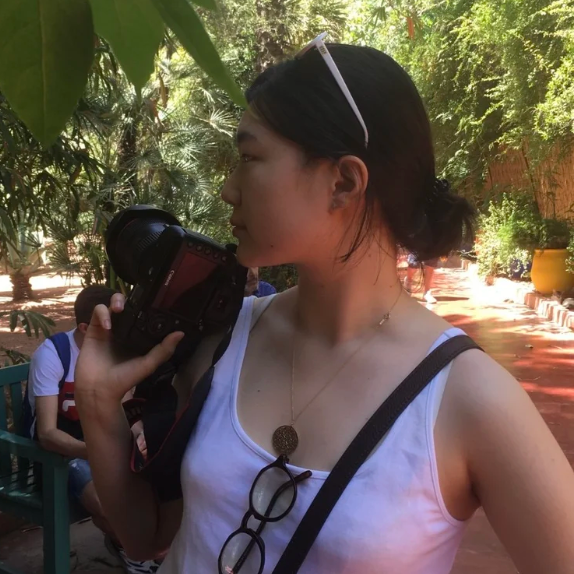
Cleo (Zhiming) Cui is a freelance illustrator and part-time translator/editor based in Beijing. She has a background in state-run institutions, having interned at CCTV and the National Museum of China. Cleo also worked as a full-time editor at Luxopus publishing house, where she published one translation work and has another awaiting review. Spending most of her life in Beijing, she observed and gathered stories of how the younger generation adapts to the cultural and social nuances of this city and the broader “collective”. This observation led her to explore how social norms and “unspoken” criteria impact the younger generation since the founding of the PRC.
Cleo received her bachelor’s degree in art history from Pitzer College, focusing on contemporary Chinese artists in the diaspora during the 1980s. She furthered her education by obtaining a Masters degree in postwar East Asian history from Kings College London. With her writing-based background, she seeks to develop different approaches at OHMA to record and document stories, continuously exploring the formation of “popular norms” in modern Chinese society and how the youth struggles to pattern after these trends to fit in.
Purva Panday Cullman (2024)
Purva is an organizer who has served in a range of leadership roles at community, national and international social justice organizations and movements. She has worked at the intersection of gender, culture and activism with Girls Inc of New York City, the Lower East Side Girls Club, the Ms. Foundation for Women and, for the past 20 years, V-Day, the global movement to end violence against all women, girls, gender expansive people and the planet.
In partnership with grassroots women in their communities, Purva has conceived and developed dozens of programs, trainings, convenings, global campaigns, demonstrations, testimonials and cultural events about issues related to violence against women and girls. She has also co-led rapid response strategies for women in disaster zones like Haiti and post-Katrina Gulf South and provided strategic support to safe houses for women and girls whose bodies and futures are under attack, such as Maasai girls escaping Female Genital Mutilation in Kenya.
Purva helped create and open the City of Joy, a leadership center for survivors of sexual violence in Bukavu, Democratic Republic of Congo, where an ongoing regional war over conflict minerals has left hundreds of thousands of women and girls raped and tortured, resulting in devastating injuries and trauma. The center – conceived and led by Congolese activists and survivors on the ground – provides intensive group therapy, life skills training and unfettered care to 90 women for six-month periods; its creation is chronicled in the Netflix documentary City of Joy.
A throughline of Purva’s work has been uplifting women and girls’ stories and creating opportunities for them to share their testimonies. While at OHMA, Purva hopes to use oral history as a tool for advocacy and community healing.
Purva graduated cum laude with a BA from Barnard College in Asian and Middle Eastern Cultures. She earned an MS Ed from Bank Street College in Early Adolescent Education. In 2018, Barnard College awarded her the Millicent Carey McIntosh Award for Feminism.
Purva lives in Brooklyn with her husband, filmmaker Sam Cullman, and their two school-aged children.
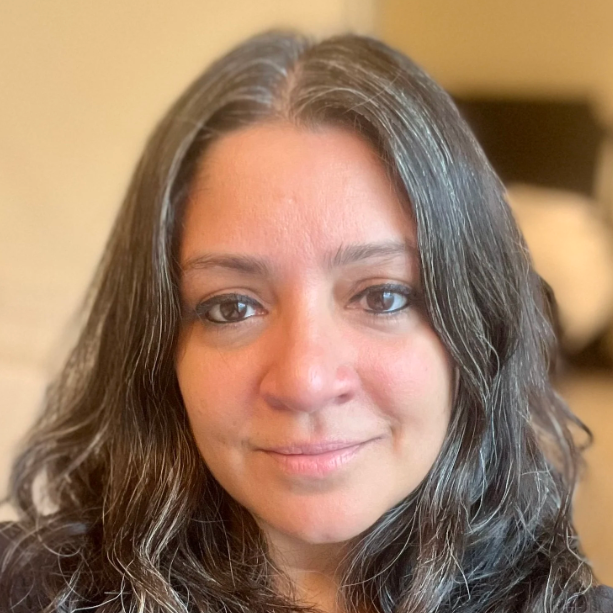
Jace Chen (2024)
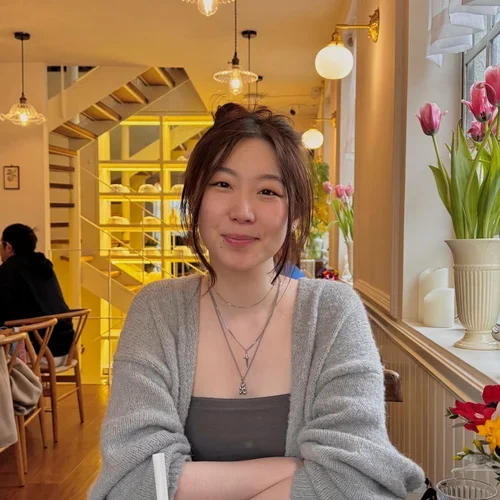
Jace (they/them) was born and raised in New York. They received their BA from NYU in 2022, where they majored in comparative literature with a minor in linguistics. Through their studies, they developed a strong interest in the intersection of history and language. And how there are historical influences to why we say what we say, hidden implications in the words we choose, and regional influences on the cadence and rhythm at which we speak.
Storytelling has always been a point of interest for them. During college, they founded a multimedia publication called Pier To with a fellow classmate. Their mission statement revolved around amplifying and uplifting their generation’s voices through person-first narratives. After a year, the publication had a team of around 40 staff members who worked on marketing, digital development, print development, and literary and creative editors/curators. Pier To concluded with the release of its print issue, which showcased a diverse range of original works from around 20 artists.
Their interest in oral history begins at home, where they speak Shanghainese with their family. This Chinese dialect has no formal written language, and its practice is diminishing in Mainland China. This conflict has influenced their current research interests to focus on subjects of language diaspora, immigrant history, and linguistic anthropology.
Asha Burtin (2024)
Asha Sydney Burtin is a singer-songwriter and oral historian who grew up in Silver Spring, Maryland. She earned her bachelor’s degree in music production at Rider University in New Jersey, with a double minor in African American studies as well as gender and sexuality studies. During her time in undergrad she took advantage of opportunities to shed light on the plight of Black American people, specifically Black women, such as being a recurring panelist at her university’s events surrounding gender, culture, sexuality and race.
She is interested in finding the ways that music and oral traditions connect in order to build and strengthen community. As a Black American and a creative, she is continuously interested in amplifying marginalized voices in order to shed light on stories and perspectives that she believes deserve to be heard and shared.
Her recent thesis, titled Black DJ Renaissance: An Oral History of Black Women DJs; DJing as Storytelling and Art Practice is an ongoing project that aims to explore and preserve the history of Black womens' presence in DJ and dance music history.

Carter King (2024)
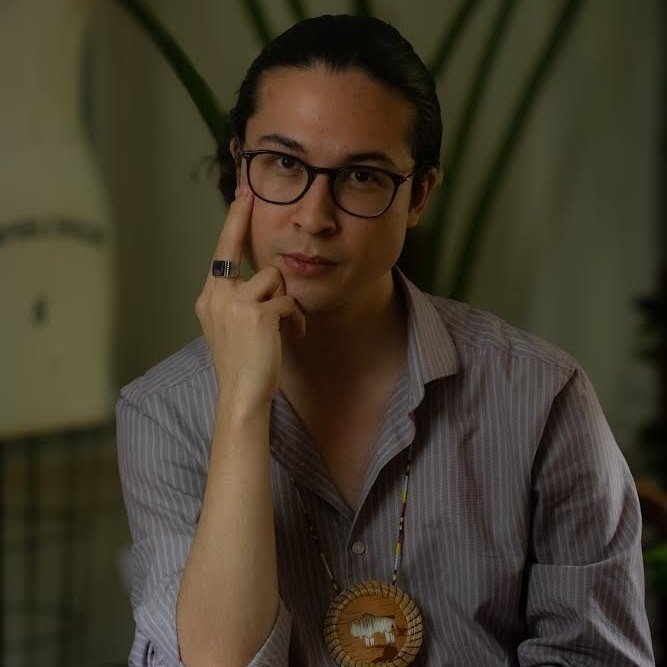
Carter S. King | La’yahawise (he/him) is a performance scholar interested in the intersections of material culture and performance studies, which has largely been informed by his practice as a costume designer and as an enrolled member of the Oneida Nation. Carter is particularly interested in how a decolonial performance studies can engage with oral history methodologies to explore the performativity of makers and artists, as well as bring to light the performativity of objects and other facets of material culture.
Carter’s work as a costume designer has primarily focused on historic indigenous—specifically Oneida—dress and costume can function in live performance, exhibit spaces, and as speaking their own histories. Within his professional experience as a costume designer, he has designed for two celebrations of the Oneida Nation’s Bicentennial, the Oneida Treaty Signing (2022) and Oneida Bicentennial (2023), alongside historic costume consultations for exhibitions and television. Concluding his B.A. in Theater, Dance, and Performance Studies at Yale University, Carter wrote his thesis on historic Oneida dress.
Carter’s background in costume design, art-making, and performance studies has brought and fueled his interest in oral history, storytelling, and the importance of indigenous oration in the development of indigenous performance studies. His interest in how indigenous artist’s voices coincide with the power of their artwork pushed his work with Oneida community members and elders to share their expertise to develop a dialogic, oral relationship to his scholarship and analysis of object performance.
With this in mind, it’s Carter’s hope to continue this exploration of oral history as an aspect of indigenous performance and a critical methodology pertaining to material cultures while at OHMA.
Quisque iaculis facilisis lacinia. Mauris euismod pellentesque tellus sit amet mollis.